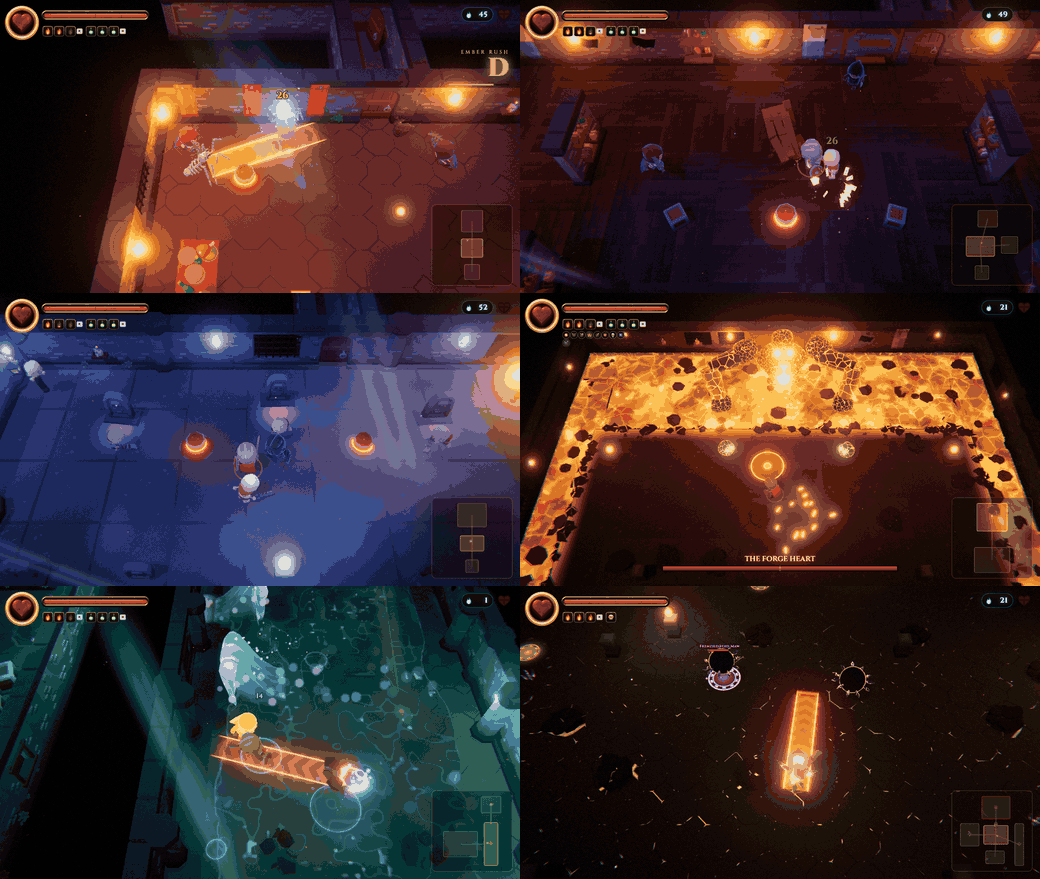
I’ve been making a game. It’s called Kindlefall, and you can play it in your browser right now.
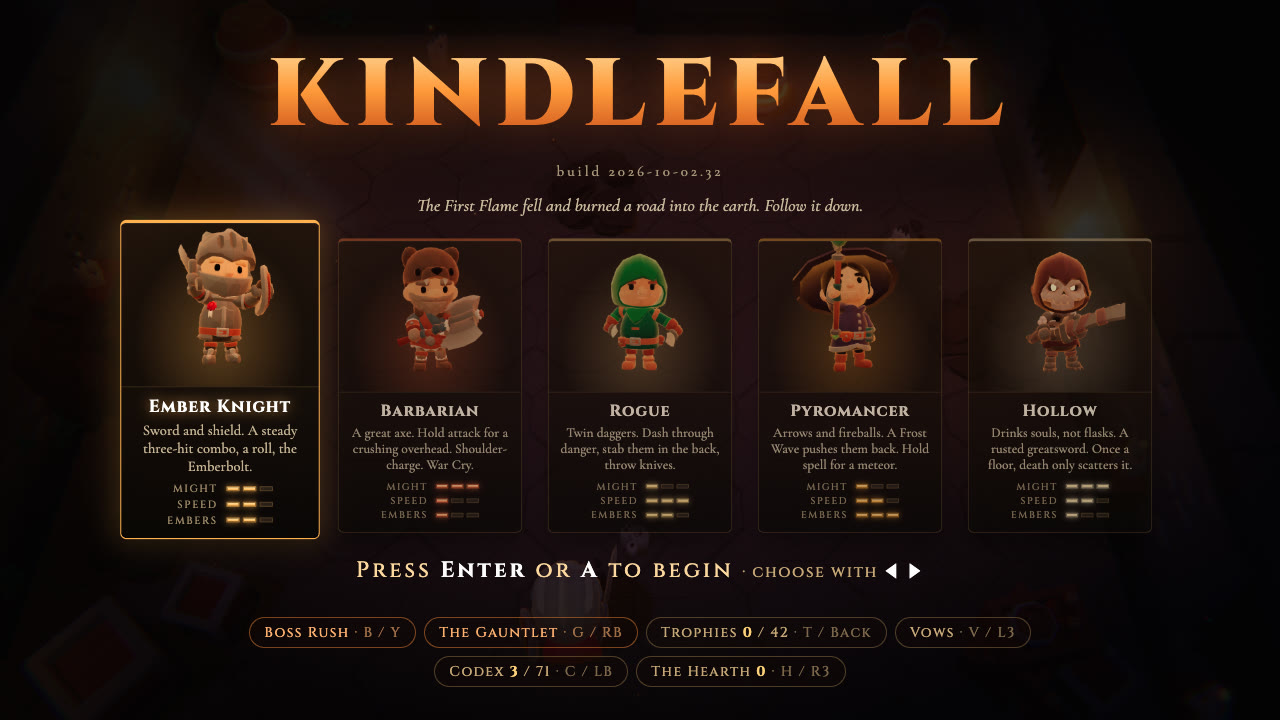
It’s a top down action roguelite: Dark Souls meets Zelda meets Hades. The First Flame fell out of the sky and burned a road down into the earth, and you follow it down carrying a spark of it: seven floors of the dead, five heroes to choose from, a boss at the bottom of every floor, and 200+ boons, relics and blessings to build a run out of.
Full disclosure: most of the code was written by AI agents. My job was to play it, over and over, with an Xbox controller, and say what felt wrong. I wrote a full devlog about how that worked, with a lot of clips captured straight from the game: kindlefall.com/devlog. This is the short version.
It started small
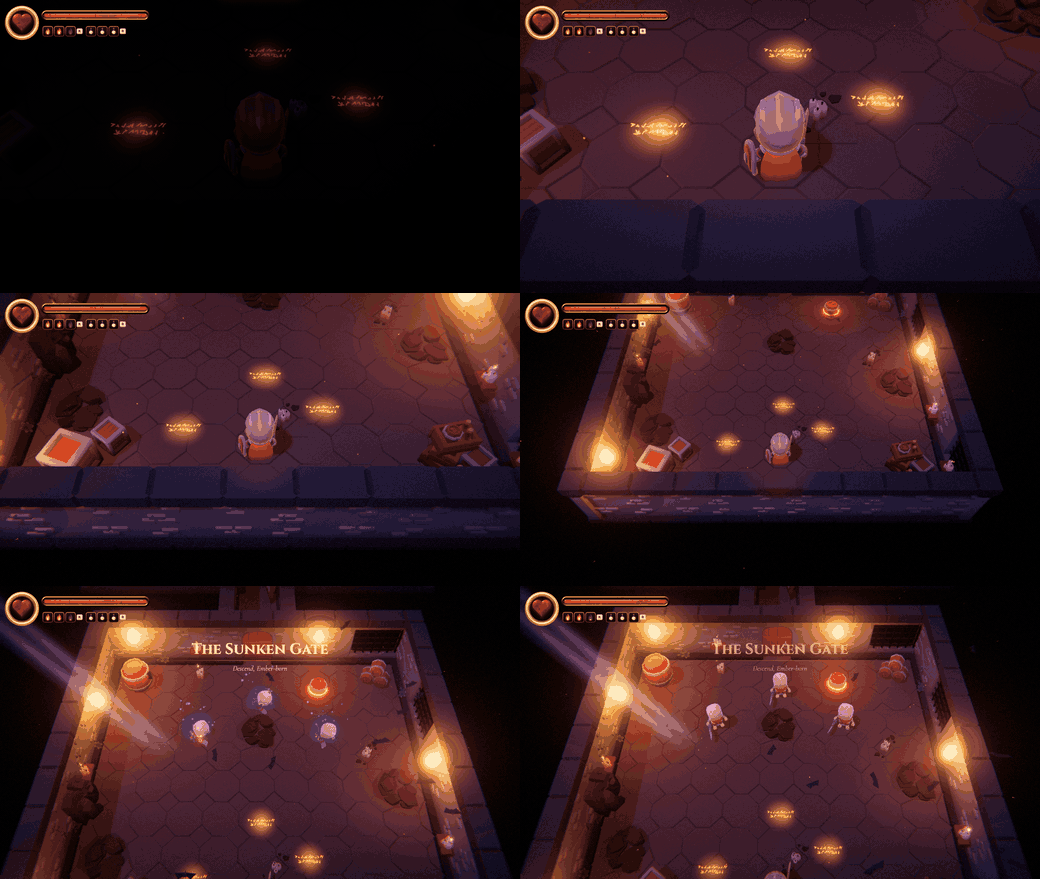
The first version was five rooms, four kinds of skeleton and one boss. Every run still starts the way I asked for early on: no music, the room rumbling awake, the dead clawing out of the floor, and then the score creeps in once you have control.
The night everything changed
At some point the game was a decent three floor prototype with a fourth floor half built. One evening I just said screw it and told my agent to “go crazy” for 7 hours until I woke up: add more levels, bosses, enemies, heroes, sounds. Then I went to bed.
I honestly couldn’t believe what I woke up to. Overnight, the AI had split itself into a team: one orchestrator acting as the lead, and a set of specialist sub-teams that each owned a piece of the game. One built the drowned cathedral, one the storm spire, one the final floor, one the NPCs and the ending, one the boons, one the heroes. The lead kept the core code to itself, gave everyone a plugin system so they never edited the same files, ran a test bot through every floor, and looked at screenshots before believing anything was done.
In the morning there were seven floors instead of four, a fifth hero, an ending, new modes and about 150 new sounds, and the whole thing played start to finish. That was the turning point.
What a team of agents actually means
That night was a happy accident, and it’s the part I keep thinking about. I’d heard people talk about “running teams of agents” and never really got it. Then I watched an AI coding agent do it on my own project: it split itself into an orchestrator and a set of specialist teams, wrote each of them a brief, gave them their own files so they never stepped on each other, made them prove their work with screenshots and a test bot, and only shipped what passed. That’s when I finally understood what people mean by running a team of agents, and why the productivity gain is real.
It didn’t stop at one night. The next sprint ran eight teams at once (playtesting, bugs, performance, boons, balance, a between runs upgrade system, marketing, and the devlog), and later there were teams for the website, the lore, the logo and the trailer’s music and footage. At the time of writing the project is past 50 commits and 29 numbered builds, and every build ran through the bot test battery before it shipped. And I didn’t expect this part: it also made QA better. A dedicated bug team swept the whole game and fixed about 45 bugs in one pass, the bot plays every floor with every hero before each build ships, and a QA team checks the game, the devlog and the marketing against each other. When I said the spider legs looked wrong, the bug team didn’t eyeball it, they measured it: legs stretching to 4.2 times their own length, fixed to under 1.
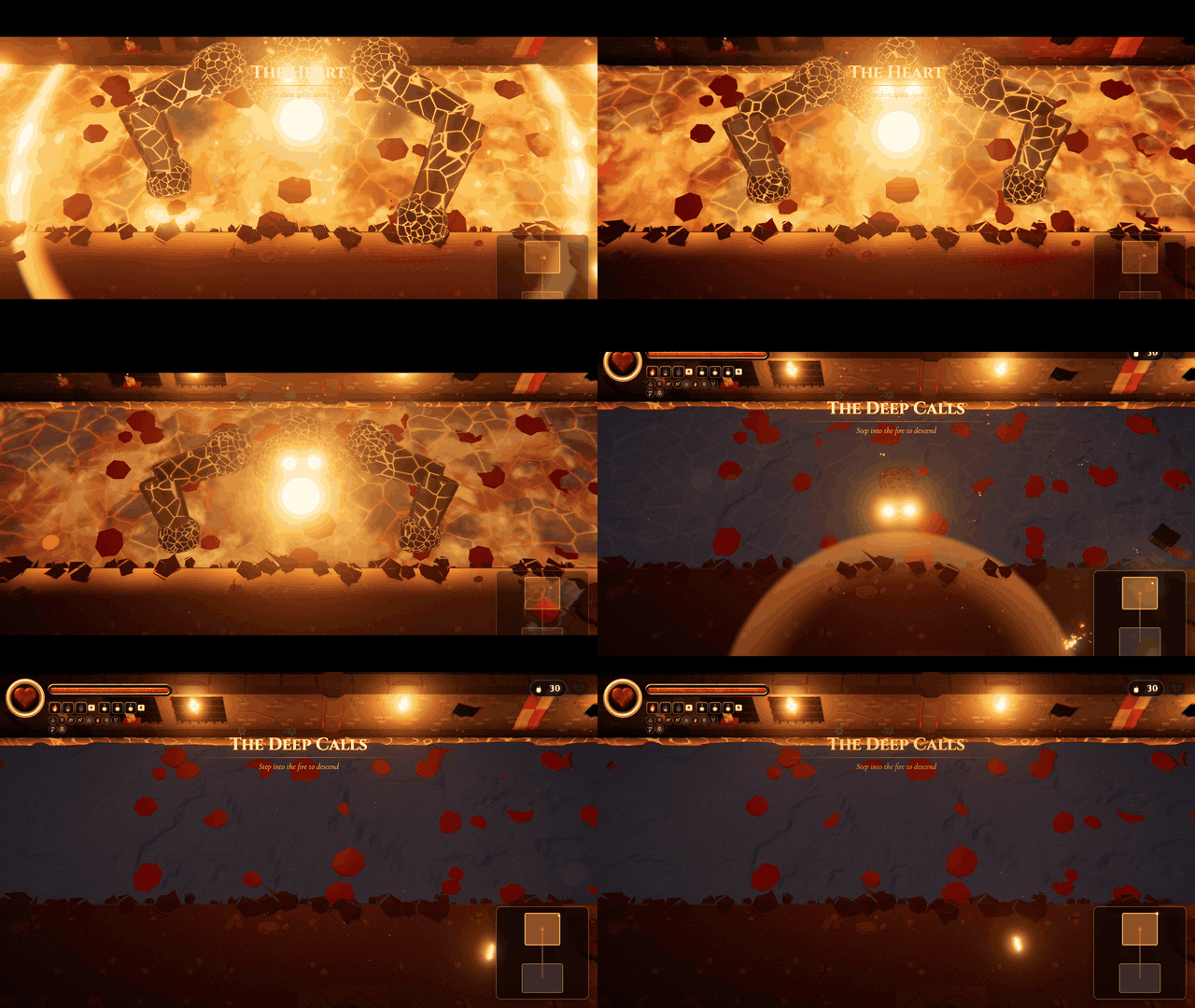
The Forge Heart, boss of the fourth floor. When it dies, its lava pool cools to stone.
Playtesting is the real job
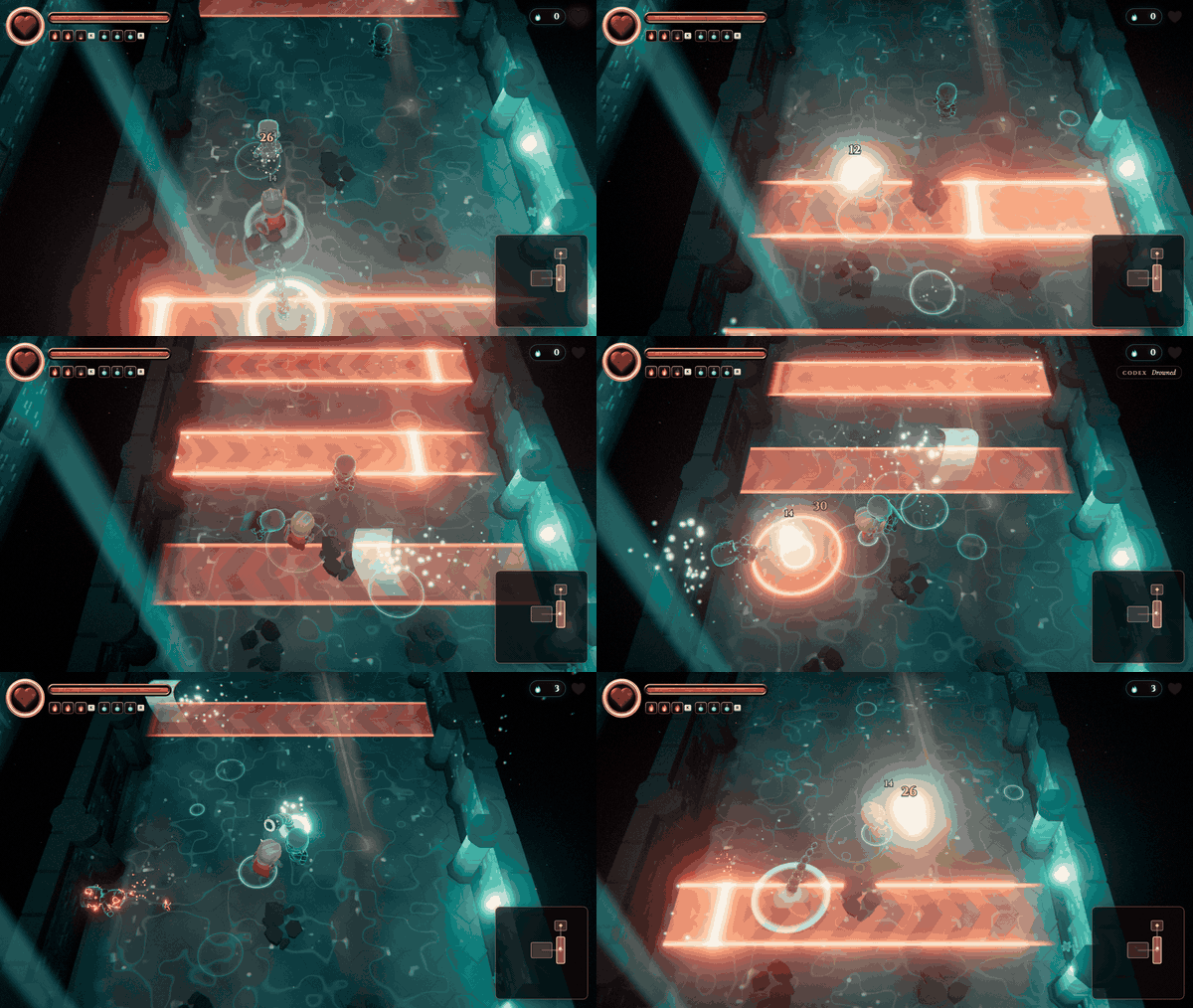
The AI can build a boss overnight. It can’t hold a controller. So every build ended with me playing it and writing notes, some of them not very polite. The lava on the fourth floor took four tries. My first note on it is still in the changelog: it “looks like ass”.
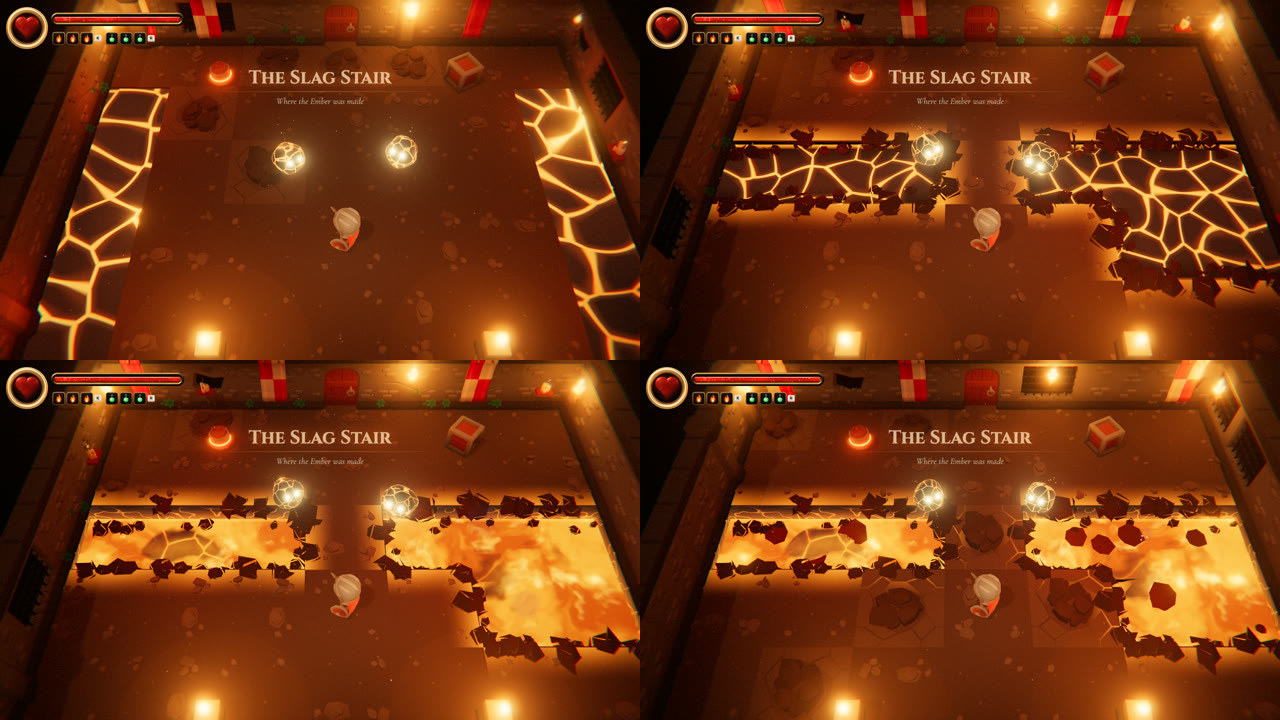
Four builds of the same room. Every old version is still in git, so we could check them out and capture them again.
The flooded cathedral’s waves got sent back too:
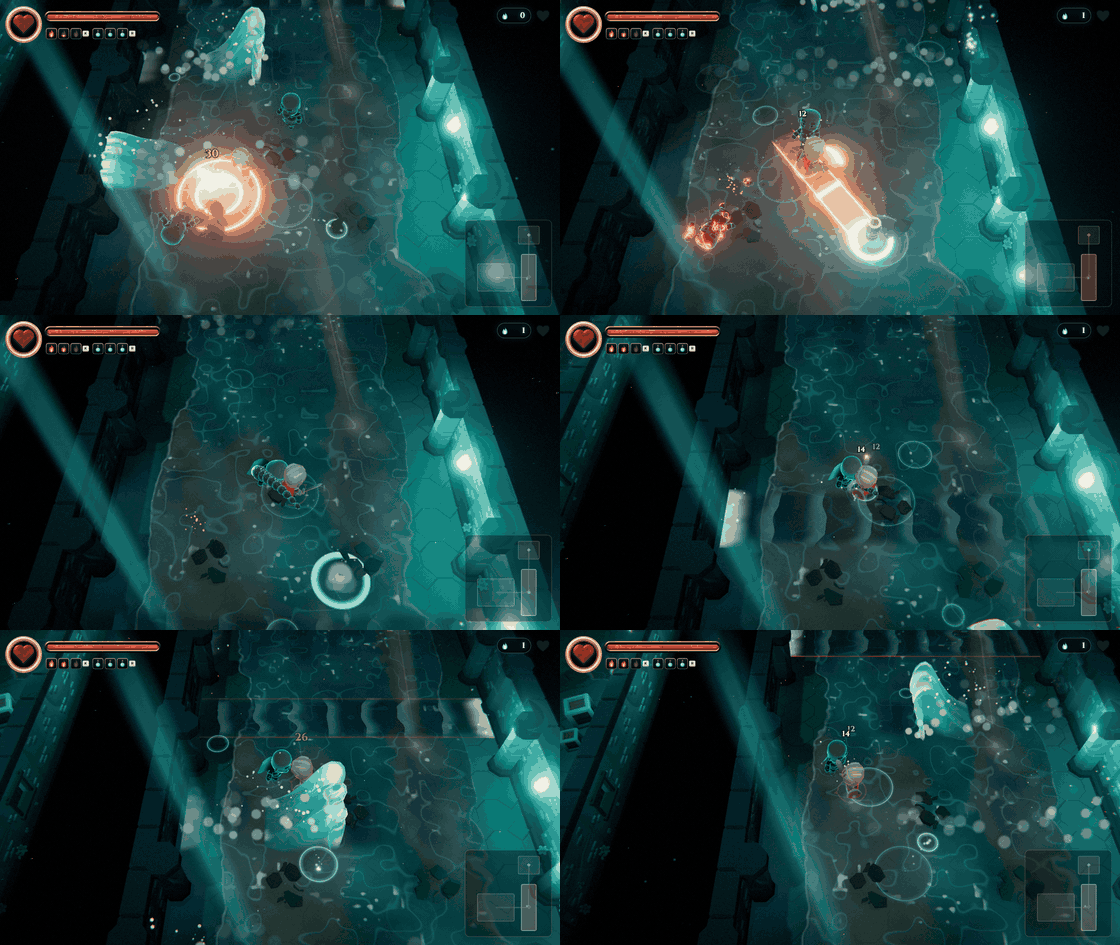
Before and after.
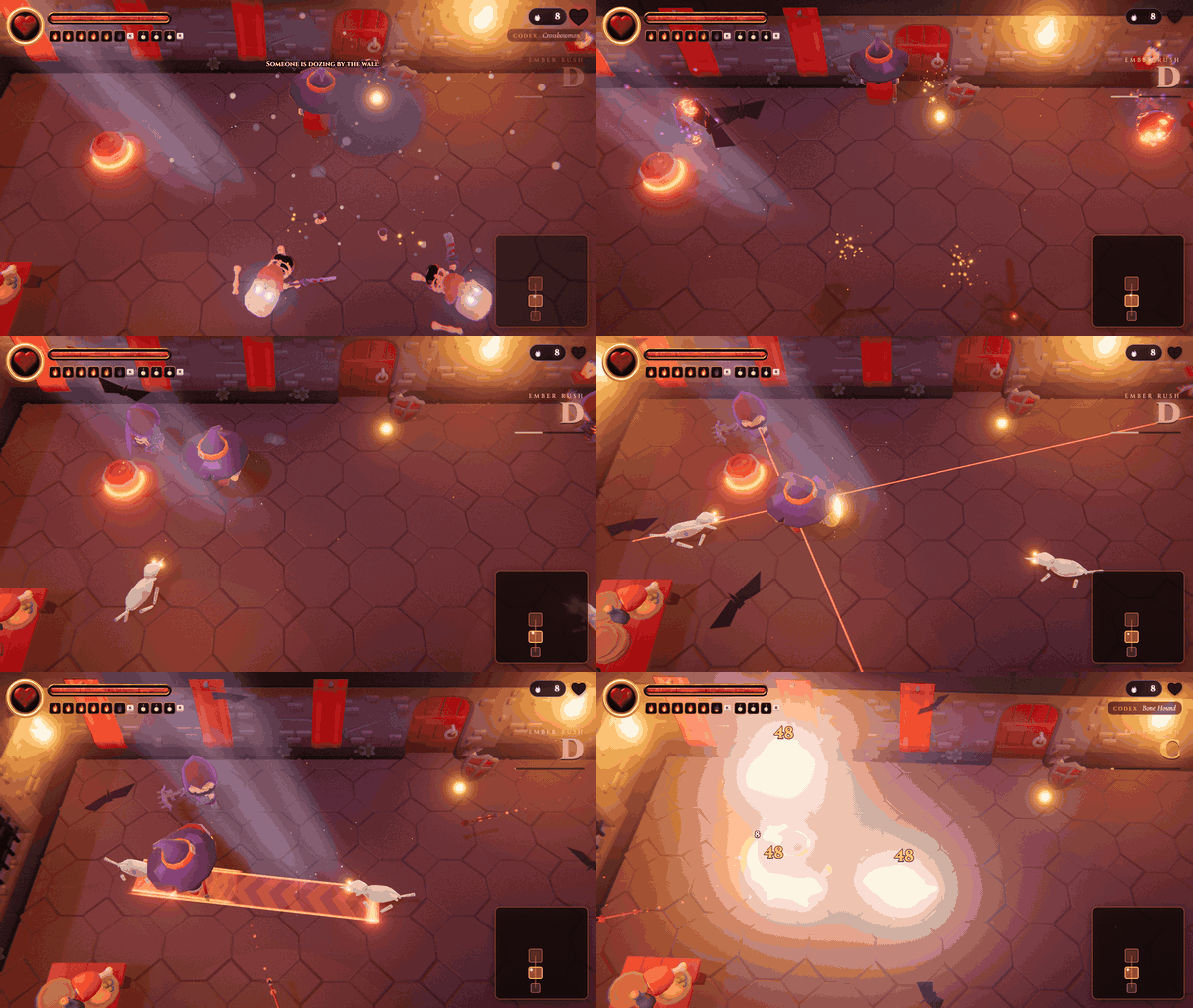
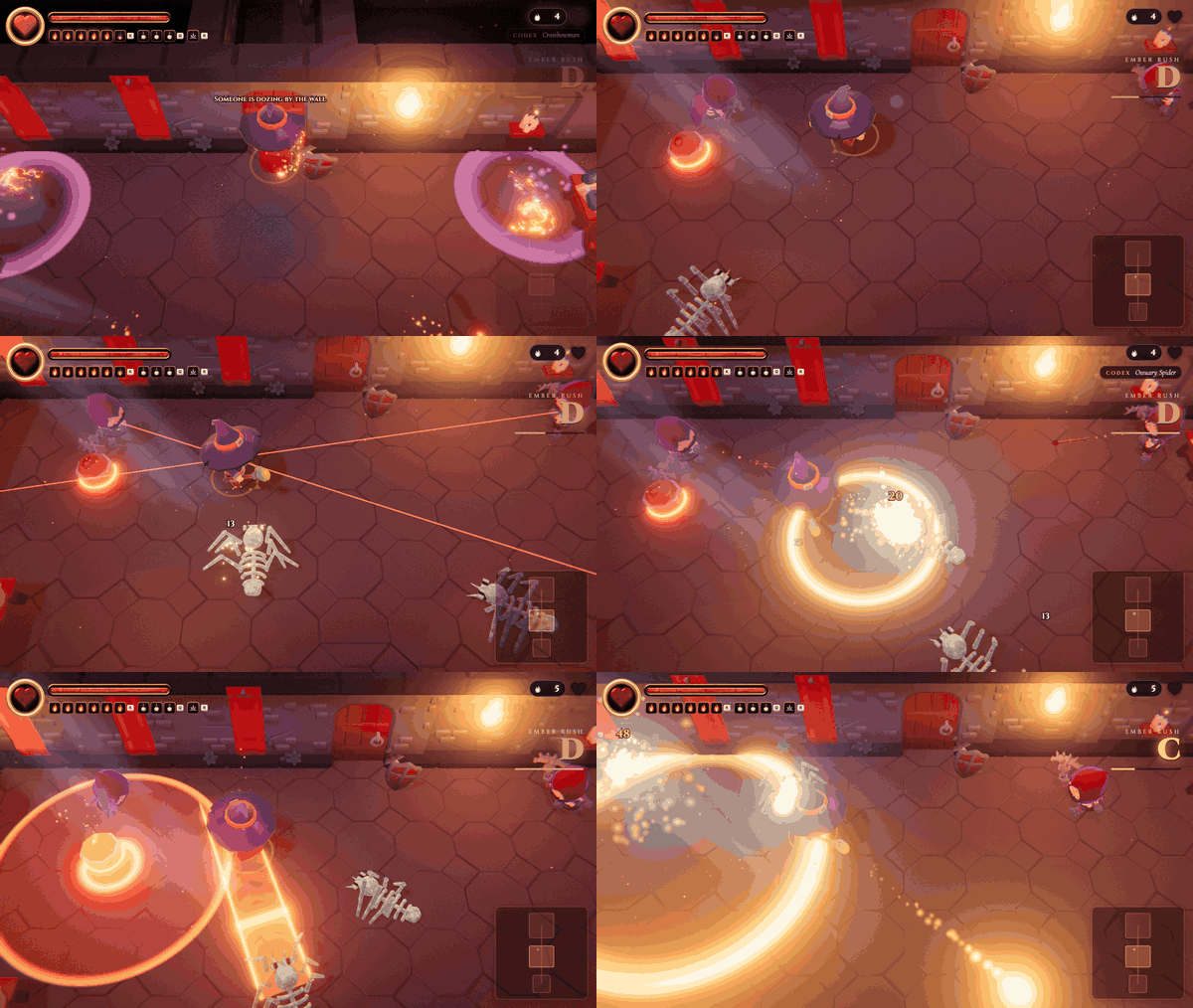
And the Pyromancer used to walk up to skeletons and bonk them with her staff, which I called “kind of dumb”. Now she shoots magic arrows and fireballs, has a frost wall, and if you hold the spell long enough, drops a molten meteor.
My favorite hero
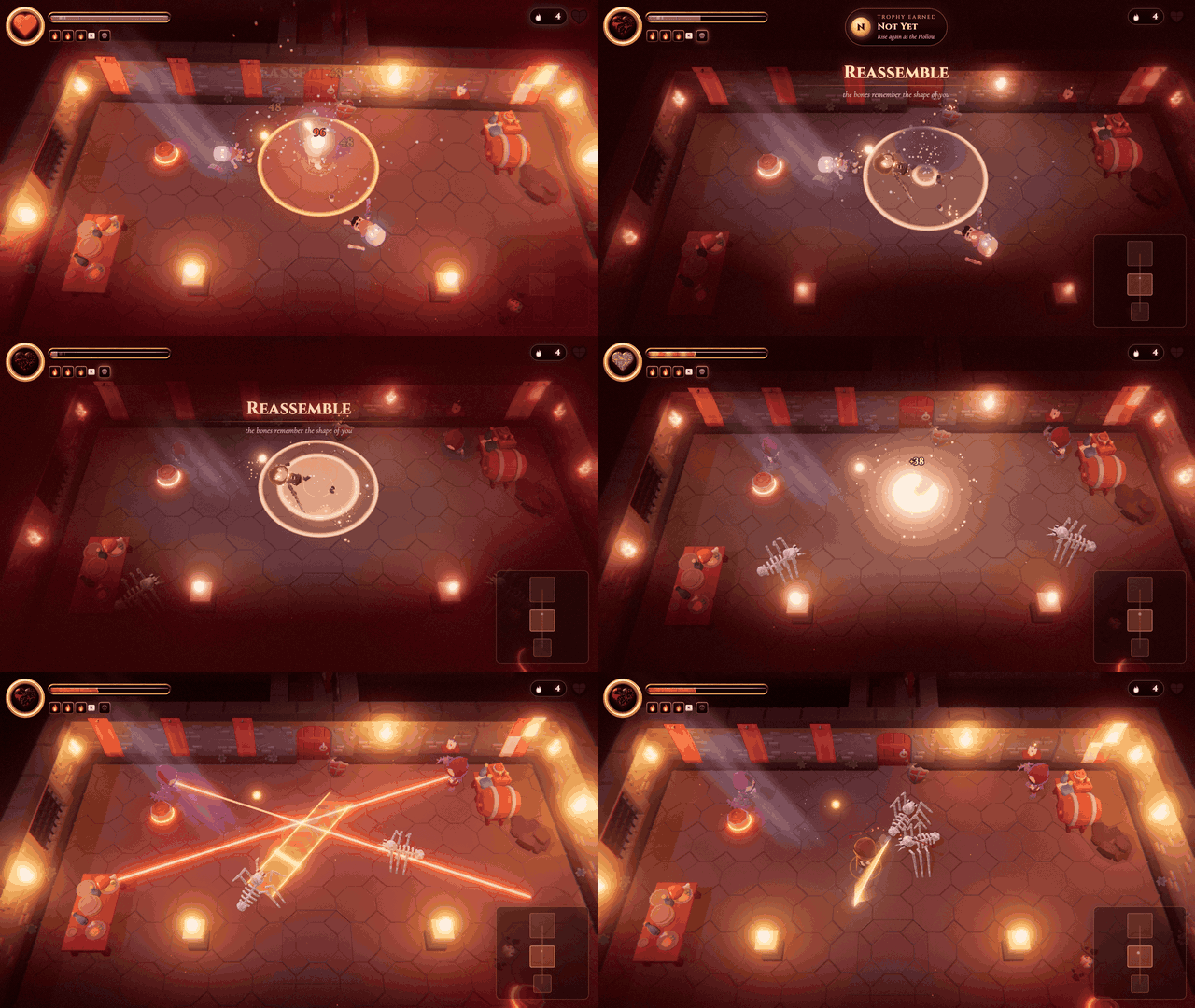
The Hollow is a skeleton. It has no healing flasks; souls heal it. Its dodge collapses it into a pile of bones. And once per floor, a killing blow just scatters it, and it puts itself back together.
Making it fair for strangers
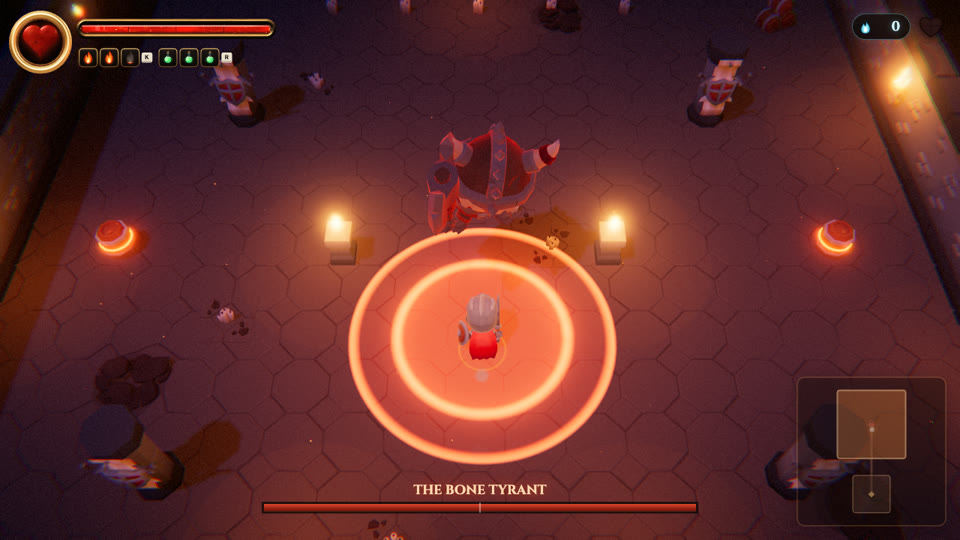
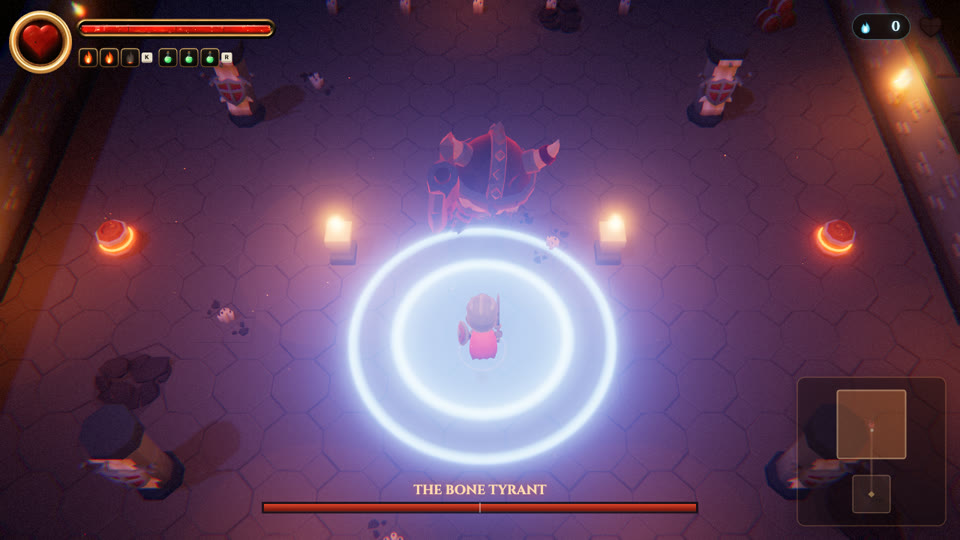
A second sprint was about everyone who isn’t me: a place between runs to spend souls on upgrades (none of them add damage), bigger text, the option to rebind your attack, dodge, spell, flask and ability buttons, a fix for some memory leaks, and danger markings that turn blue for color blind players:
Why “Kindlefall”
It was called Emberdeep while I was building it, until it turned out at least five other games already use that name. So I renamed it before showing it to anyone. The Kindlefall is the night the First Flame fell from the sky, and the halls it burned into the earth are what you descend.
Leave a Reply